
3D world model
Marble
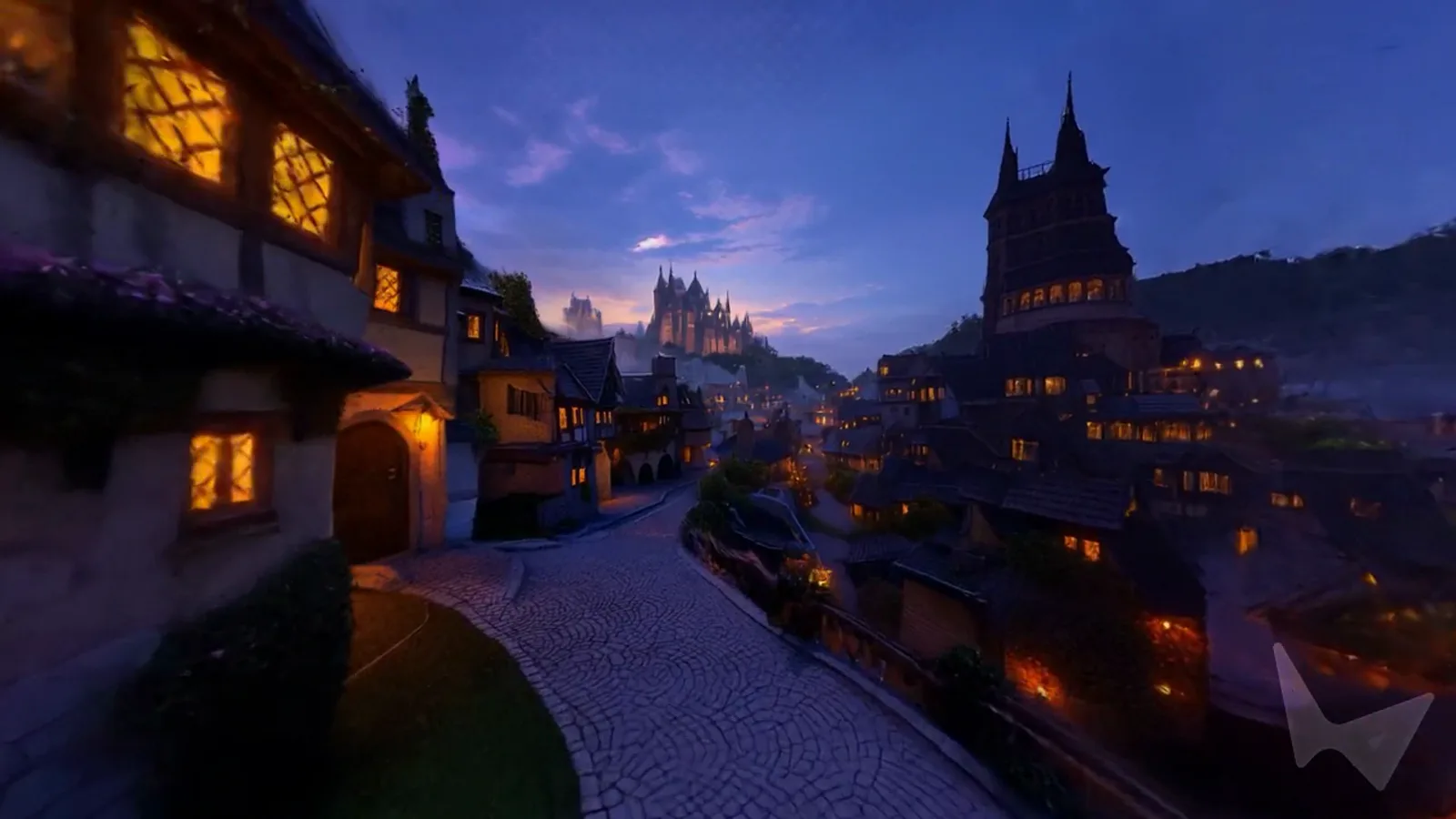
Creates persistent 3D worlds from images, text, video, spatial layouts.
 View demo
01 / Overview
Spatially consistent 3D worlds for creative and design workflows.
Creates persistent 3D worlds from images, text, video, spatial layouts.
Marble matters here because it clarifies a specific lane: Spatially consistent 3D worlds for creative and design workflows.
This is a source-backed orientation profile, not a benchmark verdict.
02 / Strengths
Where it stands out
- Clear consumer-facing expression of world models as editable 3D spaces.
- Strong fit for spatial intelligence and 3D creation coverage.
- Pairs naturally with the later World API platform story.
03 / Boundaries
What not to overclaim
- Public product focus is creation-oriented, not a full robotics simulator.
- Physical accuracy depends on task and tooling context.
Generated 3D-world creation product, not robotics simulator or civilization environment.
04 / Access & output
How the model reaches people
Public product; check quotas, billing, API limits in account docs.
- Platforms
- Web app · World Labs account · World Labs documentation · World API direction
- Outputs
- Persistent explorable 3D worlds · Gaussian splats · Meshes · Video exports
- Inputs & compatibility
- Text prompts · Images · Video · Spatial layouts · 3D review and export workflows
05 / Practical path
How to evaluate it
- 01
Choose the input type: text, image, video, or spatial layout.
- 02
Generate a world; check intended camera path and scene concept.
- 03
Use export docs for splats, meshes, or reusable 3D assets.
Primary evidence