All release signals

AMD to acquire World Labs for $8.2 billion

AMD agrees to buy World Labs for $8.2B in stock; the deal is pending.

AMD to acquire Fei-Fei Li's World Labs for $8.2 billion release signal cover

What changed

AMD agrees to buy World Labs for $8.2B in stock; the deal is pending.

Context summary

AMD's proposed purchase brings spatial AI research closer to chip design. The deal is pending; changes to Marble and Atlas access remain unannounced.

Why visitors should care

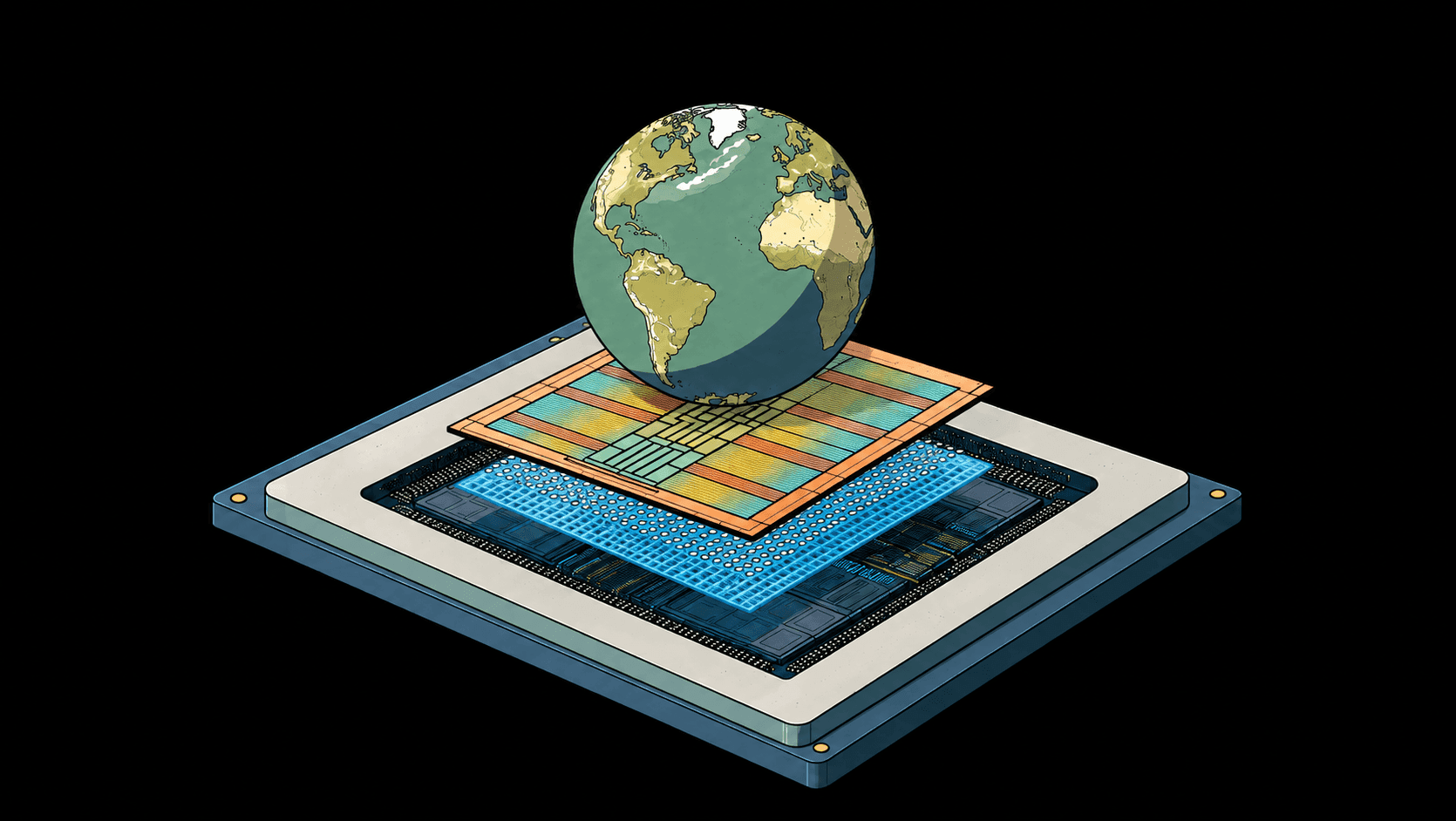
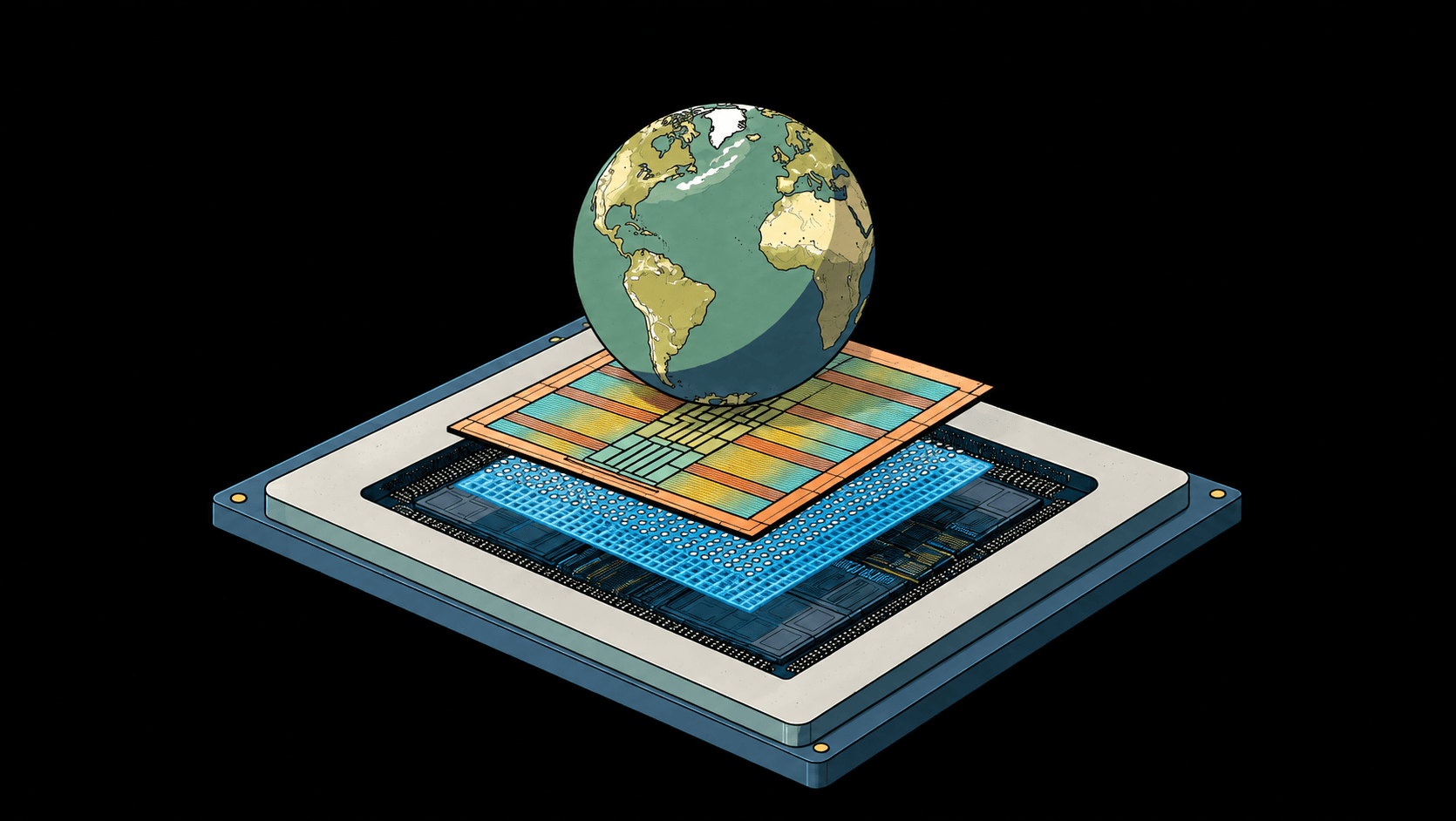
On September 28, AMD announced an agreement to buy World Labs for approximately $8.2 billion in stock. It expects the transaction to close before the end of 2026, subject to regulatory approval and other closing conditions. After closing, Fei-Fei Li would become AMD's executive vice president and chief scientist, reporting to Lisa Su. AMD says the researchers will help it understand the computing demands of emerging AI models and shape future hardware, software, and systems. That gives the deal a significance beyond a single world-generation app: a chipmaker wants model research to inform what it builds next.

Editorial analysis

World Labs describes the agreement as an extension of a technical partnership that began in 2025, including model training and inference optimization on AMD GPUs. Its stated motivation is to scale research and work more closely with hardware engineers. The company's September Atlas announcement helps explain the workload: one model handles camera-controlled generation, spatial reconstruction, and simulation, with outputs including images, depth, and 3D scenes. In his September 29 analysis, Baoyu frames the acquisition as an ecosystem move: developers choose software and models alongside chips. He argues that World Labs could help AMD optimize world models for its hardware and better understand future workloads. Our reading is that the potential value lies in that feedback loop between model research and chip design. The performance benefit remains to be demonstrated.

For artists and game developers, the practical question is whether the work becomes easier to use and edit. Natalie Nicholson's March 26 Marble walkthrough offers a useful example: she built an explorable Off Hours Lounge, then documented problems with walls, a cat, and other scene details. Kevin Kelly's August 10 essay makes the broader case that spatial intelligence could let individuals build richer fictional worlds, while pointing to the shortage of suitable physical-world data. Both pieces predate this deal. They help frame what users should watch for: better scene consistency, more control, usable exports, and affordable iteration. Those would be product improvements worth testing; the acquisition announcement does not demonstrate them.
World LabsAMDAcquisitionSpatial intelligence

Scene explainer

Three beats, then the receipts.

The release signal stays short, then sends readers into stable context or official sources.

Platform Signal visual01

Signal

Platform

AMD agrees to buy World Labs for $8.2B in stock; the deal is pending.

Official announcements; creator background separately dated Confidence visual02

Confidence

Official announcements; creator background separately dated

Agreement announced September 28; completion remains subject to approval. Product access changes have not been announced in the deal statements.

Open stable context Next click visual03

Next click

Open stable context

Open the Marble profile for stable status, availability, and source boundaries.

Marble

What to verify next

The next concrete milestone is a closing announcement. For developers, the useful follow-up evidence would be published model access, licenses, API terms, and measured costs or performance on AMD hardware. The acquisition statements do not set out a new Marble pricing schedule or a public Atlas launch date. Atlas's launch post describes access for selected partners; the purchase agreement alone does not expand that access.

Limits before overclaiming

An acquisition price does not establish that a model simulates physics reliably, that robotics systems generalize to unfamiliar settings, or that a creator product has proven its economics. World Labs' Atlas demonstrations describe capabilities and research claims from the company itself. Independent evaluations and repeatable workflows remain the stronger evidence for choosing a tool. The long-term value will depend on translating research into useful creative tools and validated robotics workflows.

World Labs expresses an ambition to support widely accessible open models. The statement does not release Atlas weights or specify a license, download, or delivery date.

How to use this signal

Read this update as a change to Marble, World API, not as a standalone verdict on the whole market. The stable dossier keeps the slower facts: organization, access, source trail, strengths, and limitations. The release signal records the narrower event and points readers toward the page that should remain useful after the news cycle moves on.

If the update affects a comparison path such as Cosmos vs General World Models, Genie 3 vs Marble, use that guide for the practical decision. The source list below is kept on the page so readers can verify the claim directly, check whether access has changed, and avoid repeating a stronger capability statement than the cited material supports.

Related context

Follow this signal into stable pages.

Sources

FAQ

Before you comment

A compact guide to source confidence, category boundaries, and reader participation before adding a note.

Definition

What does World Models Watch count as a world model?

Systems that model environments, actions, spatial structure, or persistent state. Chatbots and plain video generators qualify only through a clear world-modeling bridge.

Category boundary

Why do some AI video systems appear on a world-model site?

Video models appear only when they bridge generated clips to controllable spaces, physics-aware prediction, or agent-ready simulation — never overstated as finished world simulators.

Editorial policy

How does the site decide whether a release is reliable enough to list?

Primary sources weigh most: official pages, research posts, papers, docs, code repositories, announcements. Secondary media stays labeled as reported unless independently confirmed.

Community

What should readers post in comments?

Useful comments add source links, corrections, release-status notes, comparison questions, or concrete reader context. Comments are public immediately, so readers should avoid private information and unsupported promotional claims.

Read the full FAQ

Discussion

Reader discussion

Add source-backed corrections, questions, or notes for this page.

Loading comments
Loading discussion...

Loading comments...